
The Risks of Taking Too Many Drugs
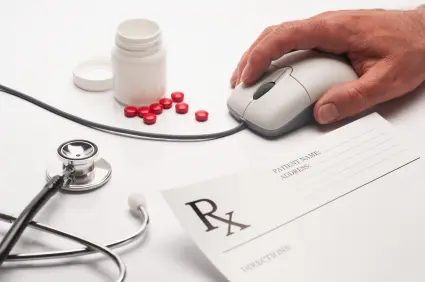 As we get older, it seems the number of pills in our medicine cabinet increases monthly. In fact, all over the United States, people are taking more and more prescription drugs, over-the-counter (OTC) products, herbs and supplements. According to the 2010 Kaiser Foundation Report, U.S. prescription usage (just prescriptions) is an astounding 12 prescriptions annually filled per capita, averaged over the entire population of the United States. This is an increase from the 1997 level of 8.9 scripts per capita.
The Kaiser Foundation calculates this number based on the total number of prescriptions, including refills, a person fills in one year's time. It is important to consider that this statistic includes people who fill no prescriptions and people who fill many annually. The Agency for Healthcare Research and Quality, a federally funded agency, reports that as of 2006, the average senior used approximately six prescriptions at the same time, which is up from five in the past decade.
Poor Medication Results a Leading Cause of Hospital Deaths
10 Most-Prescribed Drugs in U.S.
The 10 most-prescribed and the 10 best-selling drugs in the United States are two different lists. Of the nearly 4 billion U.S. prescriptions written in 2010, 78 percent were for generic drugs, which don't make as much money as the non-generic, according to the IMS Institute for Healthcare Informatics.
The institute is the public face of IMS, a pharmaceutical market intelligence firm. In order of number of prescriptions written in 2010, the 10 most-prescribed drugs in the U.S. are:
- Hydrocodone
- Generic Zocor
- Lisinopril
- Generic Synthroid
- Generic Norvasc
- Generic(omeprazole), antacid drug'53.4 million (does not include OTC sales)
- Azithromycin
- Amoxicillin
The word polypharmacy, which means 'multiple medications,' is being utilized more and more these days. This phenomenon actually carries as much risk as many illnesses. It is important to understand the risk that polypharmacy poses, its causes and what each person or caregiver can do to reduce medication-related problems.
Experts estimate that poor medication results are the fourth or fifth leading cause of death in hospitals. In 2000, medication-related problems cost $85 billion and 106,000 lives; by comparison, in 2002, diabetes cost $91.8 billion and 224,092 lives.
A large portion of these poor medication outcomes are a result of today's extremely complex healthcare system. Studies show that the typical physician's visit is 15 minutes, with introductions taking up seven of those minutes. Doctors don't have time to monitor the overall mix. It is not uncommon for a senior (or anyone living with multiple chronic illnesses) to visit five or more physicians routinely, frequent several different pharmacies, use mail-order pharmacies and work with alternative (healthcare store) remedies'which are not all coordinated and communicated between the provider and patient. As a result, the only consistent factor is the patient.
Steps to Prevent Medical Harm
Defending yourself against medication-related harm is not an exact science, but you can take steps to help prevent unnecessary damage.
1. Know the purpose for each medication, supplement or OTC product taken. Make sure there is a good reason for each medication. If there is uncertainty about what a medication is for, consult your nurse or pharmacist. Sometimes people are still taking medications that a doctor prescribed for a temporary problem that has long gone away, or patients are even taking medication that were transcribed from the records in error.
2. Recognize medication side effects. Sometimes health practitioners misdiagnose medication side effects as a new medical condition, and then prescribe another medication to treat the unrecognized side effect. A common example is the daily use of NSAIDs (non-steroidal anti-inflammatory drugs) such as Aleve® (naproxen) or Motrin® (ibuprofen). These drugs can lead to high blood pressure, which can lead to blood-pressure medication, which can lead to confusion or light-headedness and even hospitalization.
- 10 Best-Selling Drugs
- Lipitor, cholesterol-lowering statin drug - $7.2 billion
- Nexium, antacid drug - $6.3 billion
- Plavix, blood thinner - $6.1 billion
- Advair, Diskus, asthma inhaler - $4.7 billion
- Abilify, antipsychotic drug - $4.6 billion
- Seroquel, antipsychotic drug - $4.4 billion
- Singulair, oral asthma drug - $4.1 billion
- Crestor, cholesterol-lowering statin drug - $3.8 billion
- Actos, diabetes drug - $3.5 billion
- Epogen, injectable anemia drug - $3.3 billion
A good place to start is to use online resources such as RxList (www.rxlist.com/script/main/hp.asp) or Drugs.com (www.drugs.com) to look up and become familiar with common drug side effects. It is important to realize that, as we age, doctor should be alerted to health-status changes because they may relate to medications. A final important point about recognizing medication side effects is that sometimes the sign or symptom can seem distant from the medication causing the problem. In particular, non-specific symptoms such as headache, stomachache, muscle pain, fatigue, depression, insomnia or changes in appetite can actually be due to medication side effects. However, rather than discontinuing the offending medication, the prescribed solution is frequently the addition of yet another medication.
3. Understand potential interactions with food or other medications. Some foods simply do not mix well with certain medications, so be sure to ask your health practitioner or pharmacist to review these interactions with you. A common food-drug interaction occurs with thyroid medication because this drug is not effective when ingested with food. Therefore, it should be taken first thing in the morning on an empty stomach (at least 30 minutes before breakfast) with just water. In addition to your healthcare team, online information resources may prove helpful. Drugs.com features an 'interaction checker' that allows you to enter all of your medications and check for interactions.
4. Keep medication records or a journal. In a 15-minute office visit, it is difficult for the physician to assess the effectiveness of your medications without some help. Keep a log of what is taken daily (including when doses were missed) and a log of the problems treated such as daily blood pressures, sugar levels and other symptoms (insomnia, moodiness).
5. Carry an updated medication list at all times. If you end up in the hospital unconscious, it's important that medical staff know what drugs are in your system. Also, at each appointment, help the doctor by bringing an updated medication list to photocopy. Inform your doctors about OTC drugs, herbs and supplements.
6. Be aware of annual or periodic lab tests that should be performed. Don't rely on the healthcare system to remind you which tests should be done periodically to ensure safe use of your medications. Use online resources about drug information, or ask your nurse or pharmacist which tests you need. Then, make sure the necessary lab work is completed!
7. Do an annual 'brown bag' review. You can throw all of your prescriptions, OTC drugs, herbs and supplements into a brown bag (or even a plastic pink bag!) and haul them down to your doctor or pharmacist to review everything you are taking for overall safety and efficacy.
8. Avoid self-medicating. Oftentimes, people keep a supply of outdated antibiotics or pain pills 'just in case' they need them again in the future. Some people even 'borrow' medications prescribed for friends or other family members. This is dangerous for several reasons: drugs can interact, your doctor is unaware you added another drug to the mix and if you are hospitalized, no one would know you took something on your own.